
Used rally and race dampers, complete damper sets, springs, top mounts, arms and other suspension parts from Reiger, Öhlins, KW and more.
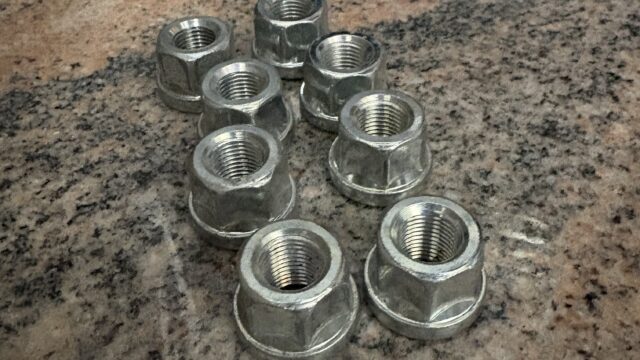
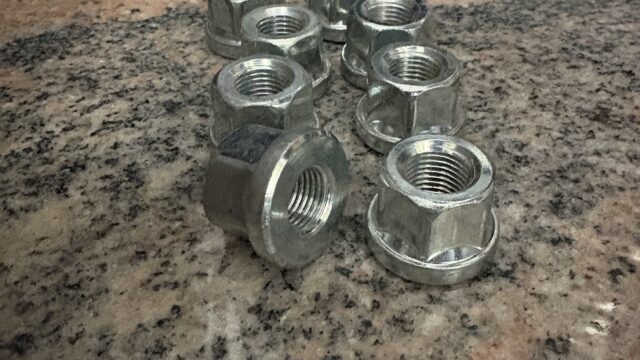
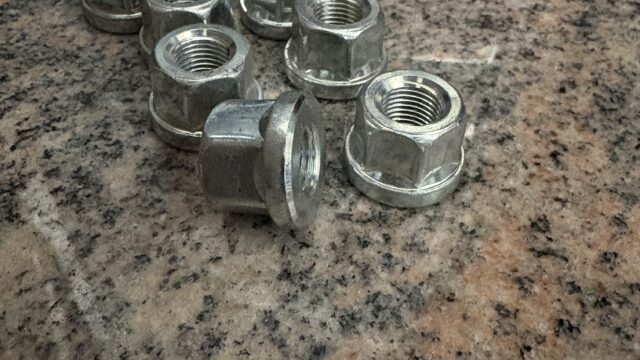
Wheel nuts Peugeot 205
- LEIDEN, Netherlands
- November 13, 2026
Adjustment types
Competition dampers are described by their number of adjustments. A 1-way damper adjusts rebound only, and a 2-way damper adjusts bump and rebound. A 3-way damper adds separate high-speed and low-speed bump, which helps the car stay composed in corners while still absorbing sharp hits. True 4-way dampers are rare and costly.
Rally dampers typically have three or four adjustments, use spherical bearings instead of rubber bushes, and may include adjustable hydraulic bump stops. Many use a remote reservoir. Its main job is heat control: more oil heats more slowly, so damping stays consistent over a long stage.
Gravel and tarmac
Gravel dampers usually have more travel and softer settings, while tarmac settings are harder for stability. Converting between the two often means new valving and springs, and sometimes different bodies or struts, so ask a service centre before you buy a set for the other surface.
Rebuild intervals
Rally dampers need regular rebuilds, and gravel shortens the interval a lot. KW lists maximum service intervals of 1,000 km for gravel rally and 3,000 km for tarmac rally. A Citroën C3 R5 schedule lists 1,250 km on gravel and 1,500 km on tarmac, serviced by an official Reiger dealer. Another published rally schedule lists Öhlins rebuilds at 1,000 km.
A loss of damping or a sudden change in handling are signs a service is due.
Buying used dampers
Ask for the brand, model and serial numbers, the gravel or tarmac specification, and the kilometres since the last rebuild. A report or invoice from an official service centre adds real value. Ask which car they were built for, as valving and lengths are matched to the car.
Check for bent shafts, oil leaks, damaged threads, scored bodies and play in the bearings and top mounts, and make sure every adjuster turns through its full range.
Frequently asked questions
How often should rally dampers be rebuilt?
Gravel wears dampers much faster than tarmac. KW lists maximums of 1,000 km for gravel rally and 3,000 km for tarmac rally, and a Citroën C3 R5 schedule lists 1,250 km on gravel and 1,500 km on tarmac. Follow the damper manufacturer's own interval.
What does 3-way adjustable mean?
A 3-way damper adjusts rebound plus high-speed and low-speed bump separately. That keeps the car controlled in corners while still absorbing sharp impacts such as bumps, ruts or kerbs.
Why do rally dampers have remote reservoirs?
Mainly for heat control. The extra oil volume heats up more slowly, so damping stays more consistent over long stages, and the reservoir can hold additional valving.
Can gravel dampers be used on tarmac?
Gravel and tarmac dampers usually differ in stroke, valving, ride height and spring rates. Many manufacturers can convert or revalve dampers, but ask a service centre about the specific model before you buy.
What should I ask a seller of used dampers?
Ask for the brand and serial numbers, gravel or tarmac specification, km since rebuild and who did it. A service report and the original application tell you whether the dampers will fit your car.